Rossiya Segodnya and Xinhua Open the SCO Expert Forum in Bishkek
© Sputnik / Alexey Maishev
/ Subscribe
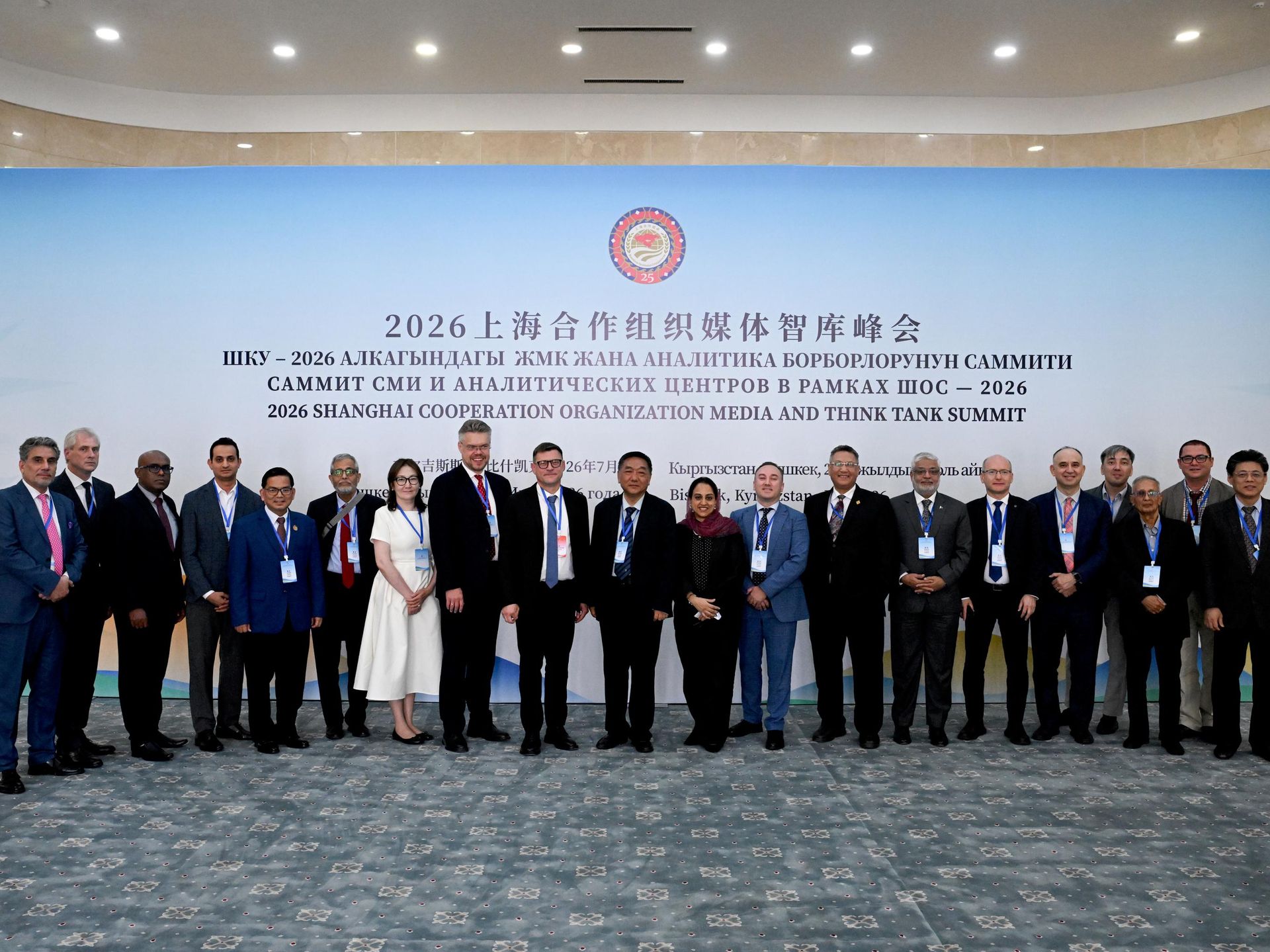
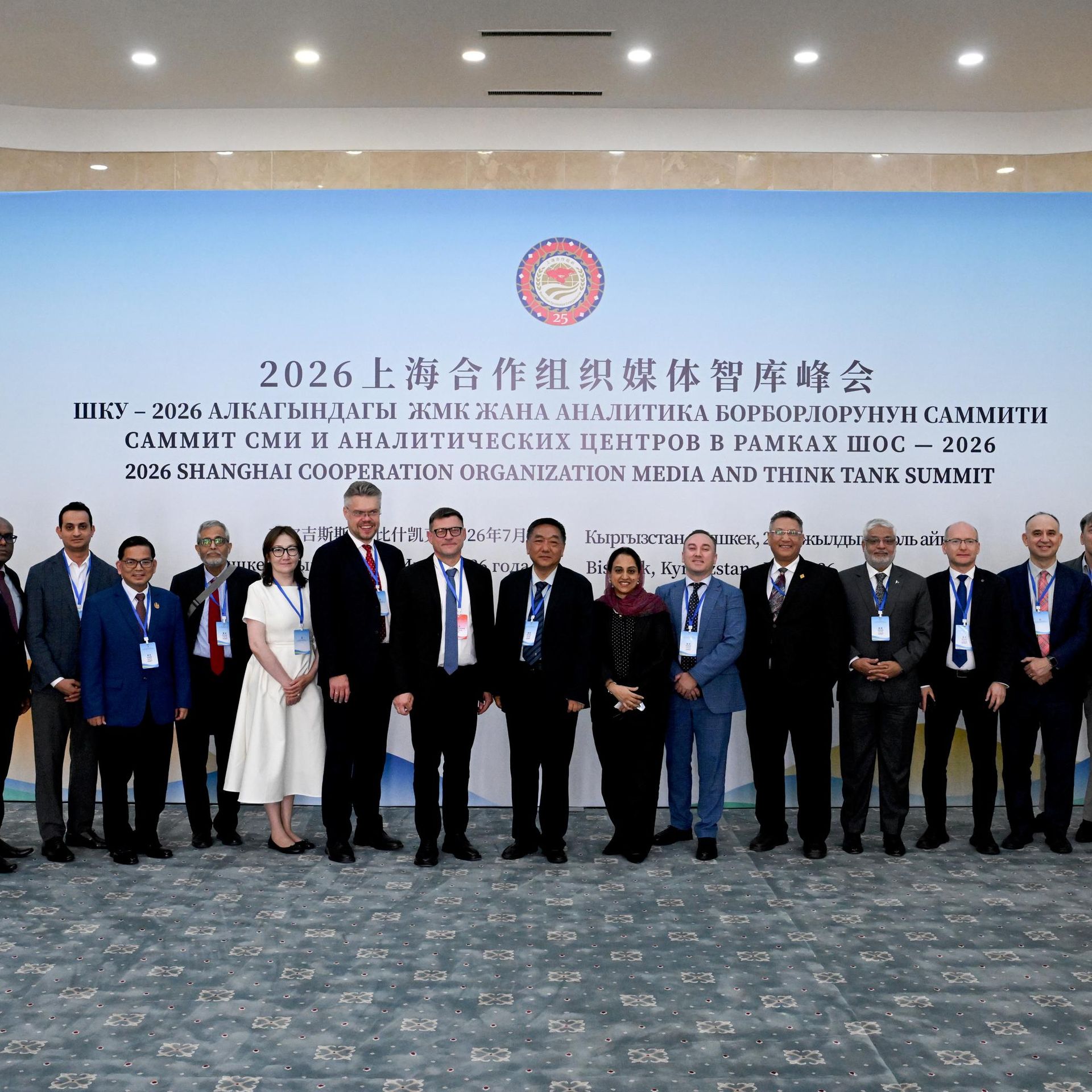
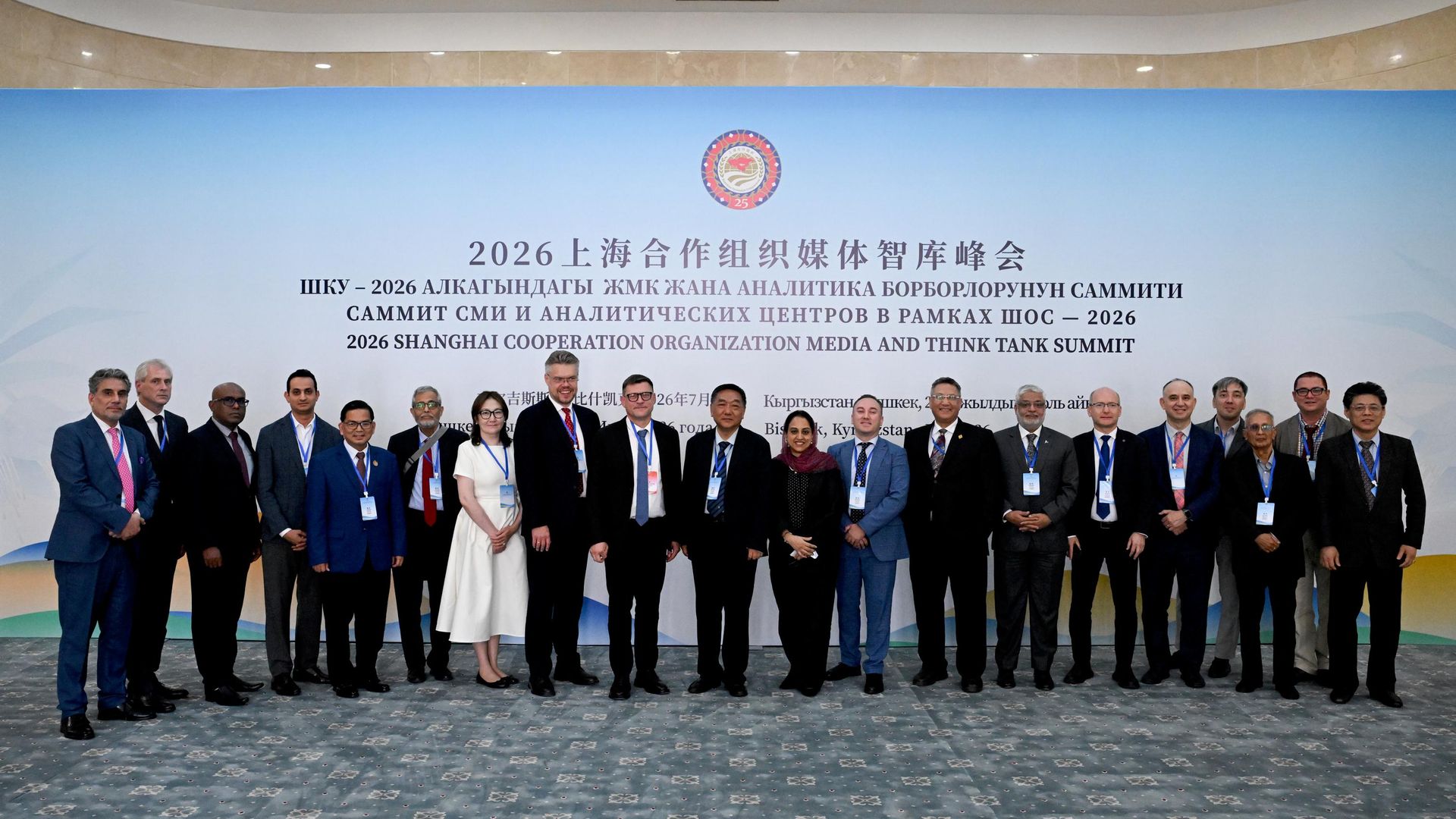
The Rossiya Segodnya media group and the Xinhua News Agency inaugurated the the SCO Expert Forum in Bishkek as part of the Kyrgyz Republic’s presidency of the Organization.
The event convened heads of leading analytical centers and representatives of academic circles from member states, observer states, and dialogue partners of the Shanghai Cooperation Organization.
Among the forum’s speakers were:
Zhumabek Sarabekov, Director of the Institute of World Economics and Politics of the Republic of Kazakhstan;
Kubatbek Rakhimov, Executive Director of the Applicata Center for Strategic Solutions (Kyrgyzstan);
Lakshmi Boojoo, Director General of the Economic Policy and Competitiveness Research Center (Mongolia);
Majid Ehsan, President of the Islamabad Policy Research Institute (Pakistan);
Kadir Temiz, President of the ORSAM Center for Middle Eastern Studies (Turkiye);
Nandan Unnikrishnan, Distinguished Fellow at the Observer Research Foundation (India);
Nikita Belenchenko, Director of the Center for International Studies of the Faculty of International Relations at the Belarusian State University (Belarus);
Ousavanh Thiengthepvongsa, Director General of the Socio-Economic and Policy Research Institute at the Lao Academy of Social and Economic Sciences;
Kin Phea, Director General of the International Relations Institute of Cambodia at the Royal Academy of Cambodia;
Ahmed Tawalbeh, Head of the Mass Communication Department at the Gulf University (Bahrain)
Mohamed Ali Elsayed, representative of the Future for Advanced Research and Studies(FARAS) (UAE), among others.
First Deputy Editor-in-Chief of the Rossiya Segodnya media group Sergei Kochetkov affirmed: “This summer, the Shanghai Cooperation Organization celebrated its 25th anniversary. Over a quarter of a century, the SCO has evolved from a border alliance into one of the principal global centers of power, uniting several dozen states. Today, the organization plays an increasingly prominent role in shaping a multipolar world order, creating a platform for equitable dialogue and joint pursuit of solutions to the most pressing issues on the international agenda. Amid global instability, it is especially vital to strengthen trust among states, deepen economic and cultural ties, and safeguard the information sovereignty of the SCO member states.”
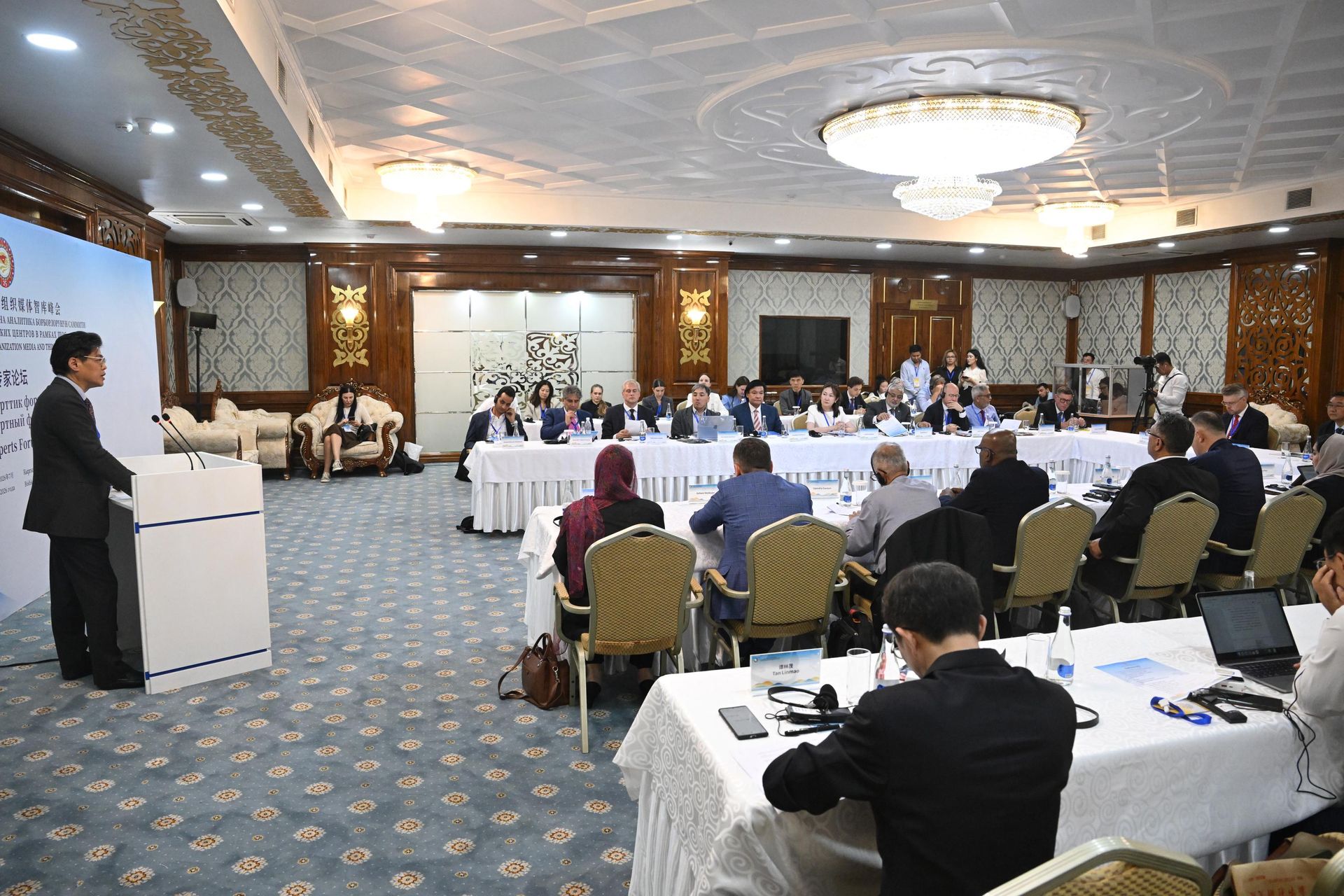
President of the Xinhua Institute Liu Gang, in turn, underscored: “Today, the countries of the Global South are exploring new development opportunities and advocating the construction of an equitable and orderly multipolar world. Collaborative mechanisms such as the SCO and BRICS, which complement one another and ensure mutual reinforcement, have forged favorable conditions for analytical centers and research institutes of the Global South to fully realize their potential in articulating policy recommendations and shaping public opinion. In this context, it is imperative to enhance collaboration and build bridges for interaction among these structures.”
During the forum, experts deliberated on the significance of the SCO amid the transformation of the global architecture of international relations and identified the principal challenges confronting the organization. Participants devoted particular attention to ensuring regional security, safeguarding information sovereignty, expanding trade and economic ties, and advancing cultural collaboration among SCO countries.
The SCO Expert Forum formed part of the program of the SCO Media and Think Tank Summit, organized by the Xinhua News Agency and the Kabar Kyrgyz national news agency.
The SCO is an international organization founded in 2001. Its membership comprises India, Iran, Kazakhstan, China, Kyrgyzstan, Russia, Belarus, Tajikistan, Pakistan, and Uzbekistan. Its observer states include Afghanistan and Mongolia, while dialogue partner states include Azerbaijan, Armenia, Bahrain, Cambodia, Egypt, Kuwait, Laos, the Maldives, Myanmar, Nepal, Qatar, Saudi Arabia, the UAE, Turkiye, and Sri Lanka.